
Sept 1, 2025: In the last few years, an big challenge for anyone trying to understand the dynamics of the ebike market. Or make a decision on what to buy.
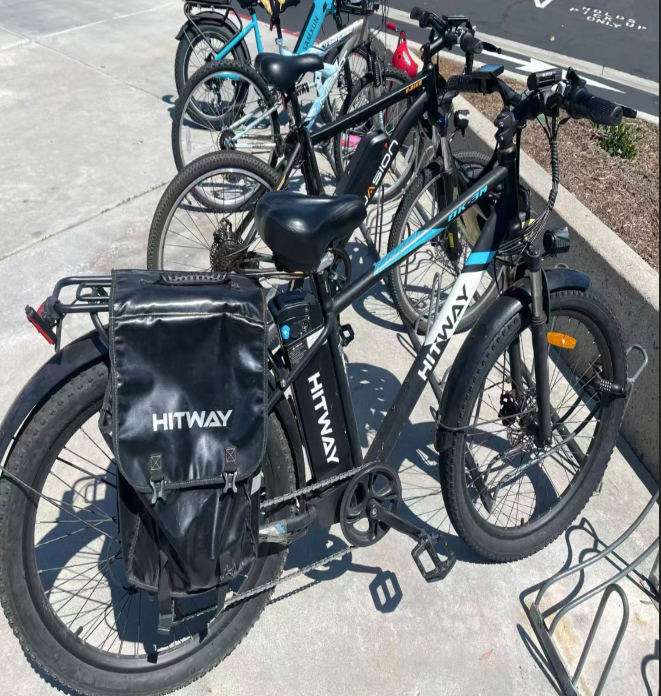
With the success of ebikes in the USA (and the western world) it seems like hundreds of new players are jumping into the market. So I decided to offer some insight.
When ever someone offers opinion, I think it is useful to know where they are getting their ideas: I have been operating a consulting business that focuses on electric bikes since 1996, after a career in the USA bicycle retail, trade show, and publishing sector since 1969. Today, I continue to study the market and industry, and my partner Dr. Jonathan Weinert, is constantly visiting factories, events, and serving our clients. We are not always right, and I don’t know everything, but we have been there.
The “normal” bicycle industry of the western world used to consist of legacy brands that had usually started decades before as factories manufacturing bicycles tuned to their domestic market. These companies were well known to consumers, the distribution channels well established, and business was pretty stable.
Starting in the 1970’s, American bicycle brands began began buying from lower cost (and often higher quality) factories in Japan, and Taiwan. Later from China and Thailand. (And today, or soon, India). This resulted in pretty good bicycles, at attractive prices. But no one was making much money. Margins for every part of the supply and distribution chain were narrow. The goal of everyone seemed to be achieving a lower price.
The brand names did not change much. Giant bicycles was one of the few Asian companies that established a solid brand identity in the USA. Most Asian suppliers were content to be anonymous suppliers to famous western bike brands.
In the earliest days of the ebike business in the USA, this pattern started to change. Major bike brands had access to distribution, and that was a huge advantage. But they also had a cultural resistance to ebikes at every level. (Most staff in retail, brands, and distribution, come from competitive cycling of some sort, and found ebikes hard to understand and support.)
Because American consumers were learning to appreciate ebikes, and did not share the bike guy’s prejudices, this resistance resulted in diversification of the distribution and supply chain for ebikes. Bike shops and bike brands were simply passed by, by many, but not all, consumers.
New retail chains grew up like Pedego. But the most important changes were direct-to-the-consumer marketing and shipping, like Rad Power. And heavy dependence on Amazon by many other brands. Interesting changes like major bike brands such as Trek offering D2C, others selling through mass merchants, and bikes coming straight from the Asian factories became more and more important.
These changes opened the market to brands that consumers, dealers, and USA brand managers had never heard of.
Adding to this is / was the inventory back log created by over - ordering during Covid, and the rapidly emerging necessity of offering bikes that are tested to UL standards…when some warehouses were bulging with Covid bikes that had not been tested to such requirements and needed to be sold before that made them unsellable. Such bikes are cheaper and cheaper as time passes.
Another factor is one that history teaches us to expect.
As normal bicycles boomed in th 1890’s, hundreds of bicycle companies emerged in Chicago alone. A couple of decades later, most had failed, merged, or disappeared. A normal course of events for human enterprise.
Now that the American consuming public has realized the benefits of ebikes, millions of ebikes have been or will soon be sold in the USA.
Not only a boom in terms of units, but also a refreshing change in margins. While there is a strong race to the bottom for price, with accompanying low quality and possible fire risk…the truly practical ebikes are selling for enough that the industry is making money at all levels in most cases.
Ever since eCycleElectric started studying the USA market numbers, we have seen hundreds of importers who bring in as little as one container of bikes. Often amateurs to the bike biz, or just putting a toe in to check the market. Most fail. But they leave behind a few hundred branded bikes that no one ever heard of, and must be sold at whatever price.
These remnants are joined by new entrepreneurs, often Asian trading companies or the representatives of Asian bike factories seeking a share of the USA’s expanding ebike interest and market.
How many such brands?
Please know that almost all ebikes are built overseas and imported to the USA. Even ones that are “assembled” in the USA come from components manufactured mostly in Asia. Even parts and systems that have famous European names are mostly made in Asia.
Here is an educated guesstimate:
2,000 “one container” importers that have come and gone over the last two decades. That may seem like a lot, but it averages 50 per year.
At least 440 currently active importers. We identified 900 last year.
Approximately 150 “brands” that identify as American and sell through D2C and IBDs, sourcing. Most product from Asian factories.
Asian factories or trading companies that sell through D2C and ship directly to consumers (this will change, a lot, due to changes in di minimus rules) about 300.
Brands selling though Amazon, last time I looked: 37.
This creates a potential list of “brands” that could be as many as 3,000!
Pretty confusing for most people.
Here is some practical advice for those shopping:
Dealers: Support your main brands. You should be the supplier of known and famous product.
Consumers: Be more interested in UL or EIN 15194 testing, local service, and a test ride, than brand name. Buying cheap carries risks that you will acquire junk. Maybe dangerous junk.
Those wishing to enter the business or find suppliers. Or suppliers wanting to find customers and distribution in the USA - contact eCycleElectric and ask for our help.
Edward Benjamin
Senior Managing Director, eCycleElectic Consultants
Chairman, Light Electric Vehicle Association